Ancient China History Tour – Following the Dynasties
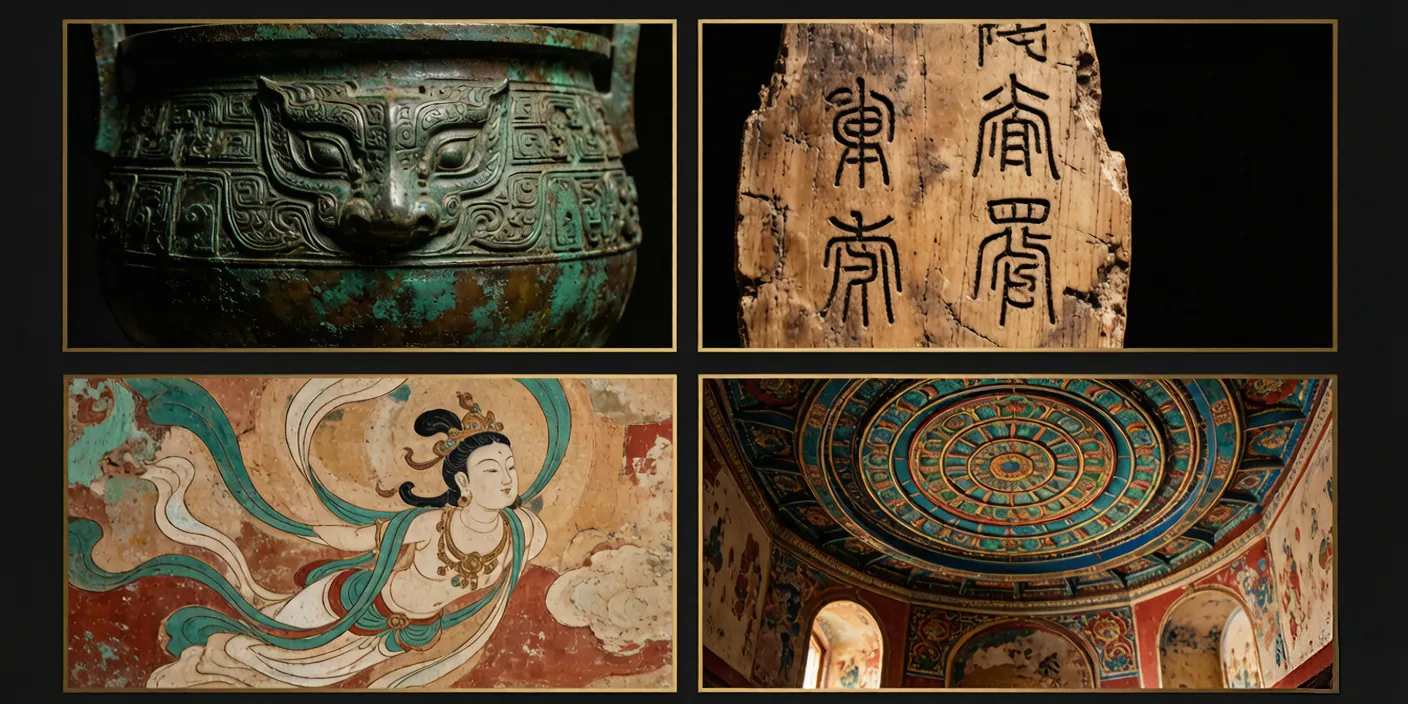
China has been a continuous civilization for over 3,500 years. The Forbidden City, the Terracotta Warriors, the Great Wall, the ancient water towns of the Yangtze Delta — these are not museum exhibits. They are the living architecture of an unbroken civilization.
These four routes trace China's history chronologically and geographically. Each one focuses on a different era and experience: imperial power, military defense, water-town commerce, and the sweep of World Heritage sites.
Route 1: Imperial Capitals (10–12 Days)
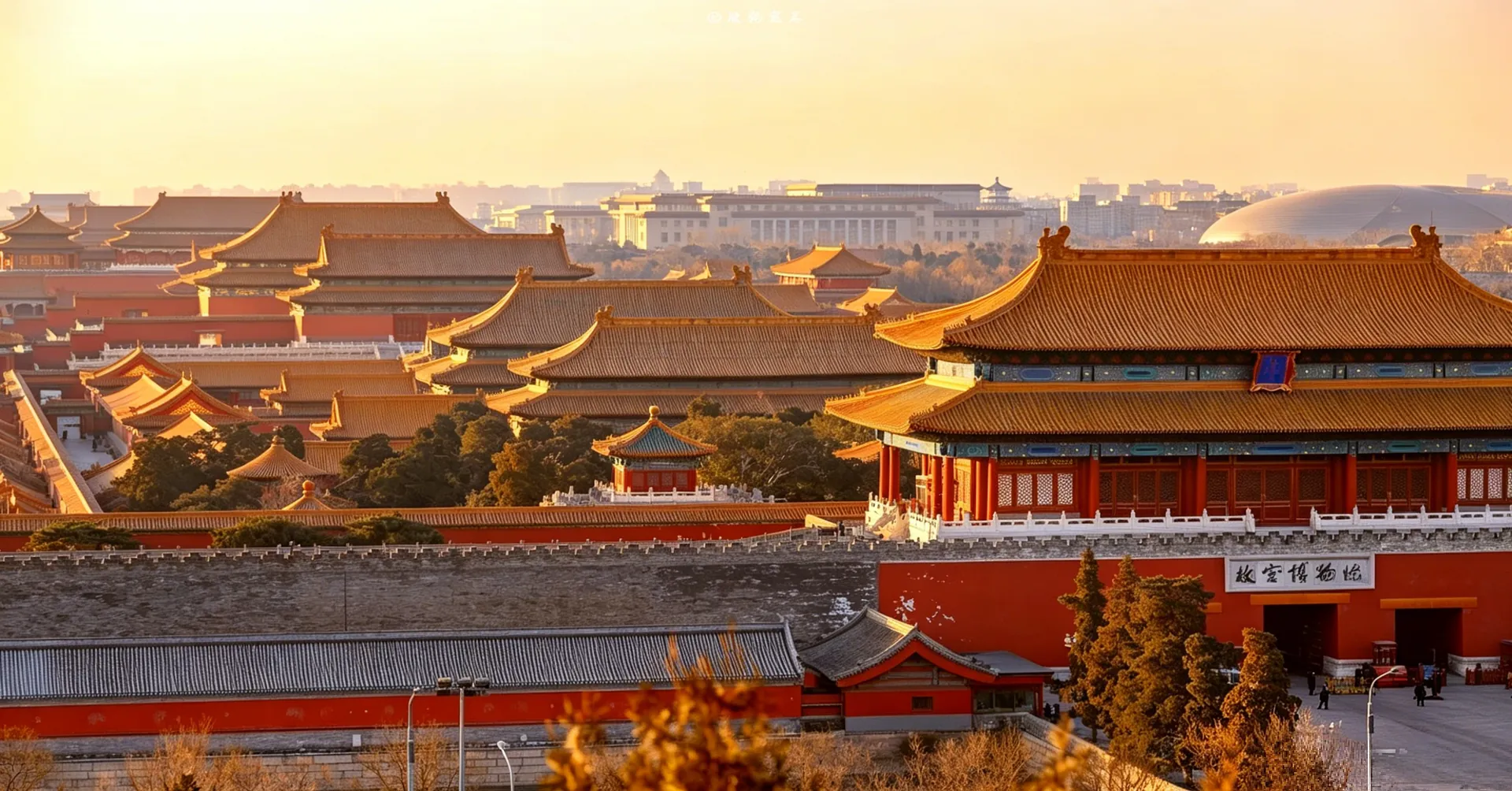
Beijing → Luoyang → Xi'an → Nanjing
The great capitals of China, in chronological order of their golden ages. This route follows the center of Chinese political power as it moved from west to east over three millennia.
| Day | City | Historical Significance |
|---|---|---|
| 1–3 | Beijing | Capital for 800 years. Forbidden City (Ming/Qing, built 1406–1420), Temple of Heaven, Summer Palace. The pinnacle of imperial architecture |
| 4–5 | Luoyang | Capital of 13 dynasties, including the Eastern Zhou and Tang. Longmen Grottoes (UNESCO, 100,000+ Buddhist statues carved into limestone cliffs, begun 493 AD). White Horse Temple (China's first Buddhist temple, 68 AD) |
| 6–8 | Xi'an | Capital of 13 dynasties, including the Qin (first empire), Han, and Tang — China's golden ages. Terracotta Warriors (210 BC), Ancient City Wall (Ming, 1370 AD), Big Wild Goose Pagoda (Tang, 652 AD). Xi'an was the largest and most cosmopolitan city on Earth during the Tang Dynasty |
| 9–10 | Nanjing | Capital of 6 dynasties and the Republic of China. Ming Xiaoling Mausoleum (1381 AD), Nanjing City Wall (longest surviving ancient city wall in the world, 25 km), Presidential Palace, Sun Yat-sen Mausoleum |
Route 2: The Great Wall Route (7 Days)
Beijing → Mutianyu → Simatai → Gubei Water Town → Shanhaiguan
The Great Wall isn't a single wall — it's a network of fortifications built across 2,000 years by multiple dynasties. This route traces its most spectacular and varied sections, from restored grandeur to wild ruins.
| Day | Site | Experience |
|---|---|---|
| 1–2 | Beijing | Base camp. Visit the Forbidden City and National Museum for Wall context and history |
| 3 | Mutianyu (慕田峪) | The best-restored section near Beijing — cable car up, toboggan down. Ming Dynasty (1404). Less crowded than Badaling. 1.5 hrs from Beijing |
| 4 | Simatai (司马台) | The only section open for night visits. Steep, dramatic, less restored — you see what the Wall actually looked like. 2.5 hrs from Beijing |
| 5 | Gubei Water Town (古北水镇) | A reconstructed Ming Dynasty water town at the foot of Simatai. Hot springs, lantern-lit canals, night Wall views. Stay overnight |
| 6–7 | Shanhaiguan (山海关) — "Old Dragon's Head" | Where the Great Wall meets the sea. The Wall literally extends into the Bohai Gulf. The easternmost point of the Ming Great Wall. 2.5 hrs by train from Beijing |

Route 3: Ancient Towns & Water Villages (6 Days)
Shanghai → Suzhou → Tongli/Zhouzhuang → Hangzhou → Wuzhen
China's ancient water towns — crisscrossed by canals, arched stone bridges, and whitewashed Ming/Qing dynasty houses — preserve a way of life that has barely changed in 500 years. This route covers the Yangtze Delta's most beautiful examples.
| Day | Town | Experience |
|---|---|---|
| 1 | Shanghai | Arrival. Evening: the Bund and Nanjing Road — the contrast with the ancient towns ahead |
| 2 | Suzhou | Humble Administrator's Garden and Lingering Garden (Ming Dynasty, UNESCO). Pingjiang Road canal. Suzhou has been a city of gardens and canals for 2,500 years |
| 3 | Tongli (同里) or Zhouzhuang (周庄) | Tongli: quieter, more authentic. Zhouzhuang: more famous, more commercial. Both: canals, stone bridges, Ming/Qing houses. Overnight for misty morning canals without day-trippers |
| 4–5 | Hangzhou | West Lake (immortalized by poets for 1,000+ years), Lingyin Temple (326 AD), Longjing tea village. Marco Polo called Hangzhou "the City of Heaven" |
| 6 | Wuzhen (乌镇) | The most photogenic water town — wooden houses on stilts, stone-paved lanes, canals lit by lanterns at dusk. Stay until evening for the full effect. 1.5 hrs from Hangzhou |
Route 4: UNESCO World Heritage Trail (14 Days)
Beijing (6 sites) → Xi'an (1) → Chengdu (3) → Guilin (1) → Shanghai (1)
China has 57 UNESCO World Heritage sites — the second-most of any country. This route hits 12 of them in 14 days, focusing on the most accessible and spectacular.
| Day | City | UNESCO Sites |
|---|---|---|
| 1–3 | Beijing | Forbidden City, Temple of Heaven, Summer Palace, Great Wall, Ming Tombs, Peking Man Site |
| 4–5 | Xi'an | Terracotta Warriors |
| 6–8 | Chengdu | Dujiangyan Irrigation System, Mount Qingcheng, Giant Panda Sanctuaries |
| 9–11 | Guilin | South China Karst (Li River & Yangshuo) |
| 12–14 | Shanghai | Classical Gardens of Suzhou (day trip, 25 min by train — 9 UNESCO gardens) |
Dynasty Cheat Sheet for Travelers
| Dynasty | Period | Capital(s) | What They Built |
|---|---|---|---|
| Qin | 221–206 BC | Xianyang (near Xi'an) | Terracotta Warriors, first Great Wall sections, unified writing system |
| Han | 206 BC–220 AD | Chang'an (Xi'an), Luoyang | Silk Road established; paper invented; Buddhism arrived from India |
| Tang | 618–907 AD | Chang'an (Xi'an) | Golden age of poetry, cosmopolitan culture; Xi'an was the world's largest city |
| Song | 960–1279 AD | Kaifeng, Hangzhou | Gunpowder, movable type, paper money; landscape painting reached its peak |
| Ming | 1368–1644 AD | Nanjing → Beijing | Forbidden City, Great Wall (current form), Temple of Heaven, Porcelain perfected |
| Qing | 1644–1912 AD | Beijing | Summer Palace, expansion of the Forbidden City; China's last imperial dynasty |

Seasonal Considerations for Historical Sites
| Season | Best For | Avoid |
|---|---|---|
| Spring (Apr–May) | All sites. Mild temperatures, blooming gardens. The Forbidden City's peonies are magnificent. Best overall | — |
| Summer (Jun–Aug) | Air-conditioned museums, early-morning site visits | Outdoor sites midday (extreme heat and humidity). The Great Wall in August is an endurance test |
| Autumn (Sep–Oct) | All sites. Golden light, clear skies. The Great Wall with autumn foliage is spectacular. Best for photography | National Day Golden Week (Oct 1–7) — all sites packed |
| Winter (Nov–Feb) | Forbidden City under snow (magical). The Great Wall in snow. Empty museums | Chinese New Year (late Jan/Feb) — many sites closed or reduced hours |
Frequently Asked Questions
What is the oldest historical site in China?
The Terracotta Warriors (210 BC) are the most famous ancient site, but China has far older accessible sites: the Yin Xu ruins in Anyang (Shang Dynasty oracle bone site, ~1250 BC), and the Banpo Neolithic Village near Xi'an (~4500 BC). For most travelers, the Warriors and the Great Wall are the essential ancient sites.
Do I need a guide for historical sites?
At the Terracotta Warriors, yes — the interpretive signage is almost entirely in Chinese. Hire an official guide (¥150–200). At the Forbidden City, the English audio guide (¥40) is excellent. For smaller sites, a good guidebook or Wikipedia pre-reading is usually sufficient.
How crowded are historical sites?
The Forbidden City caps daily visitors at 80,000. The Great Wall at Badaling can be shoulder-to-shoulder on weekends. Visit on weekdays, arrive at opening time, and choose less-visited sections (Mutianyu instead of Badaling for the Wall; Lingering Garden instead of Humble Administrator's Garden for Suzhou gardens).
Walk Through Three Thousand Years
China's history is not behind glass — it's under your feet (the flagstones of Xi'an), above your head (the painted beams of the Forbidden City), and stretching to the horizon (the Great Wall riding the mountain ridges). Choose a route, pick a dynasty, and start walking.
Which dynasty fascinates you most?
The Tang golden age? The Ming builders? The intrigue of the Forbidden City? Tell us in the comments what draws you to China's history. Also explore our nature routes and Golden Route for more.
Related Routes
China Food Tour – Best Culinary Routes for Foreigners
Eat your way through China. Four curated food routes covering Sichuan spicy trail, Cantonese dim sum tour, northern classics, and Yunnan ethnic cuisine. Includes must-try dishes by city.
China Nature & Landscape Tour – Mountains, Rivers & Gorges
Explore China's most breathtaking landscapes. Five curated nature routes covering Guilin karst, Zhangjiajie Avatar mountains, sacred peaks, Yunnan highlands, and Jiuzhaigou's turquoise lakes.