Xiamen — The Island City That Taught China How to Slow Down
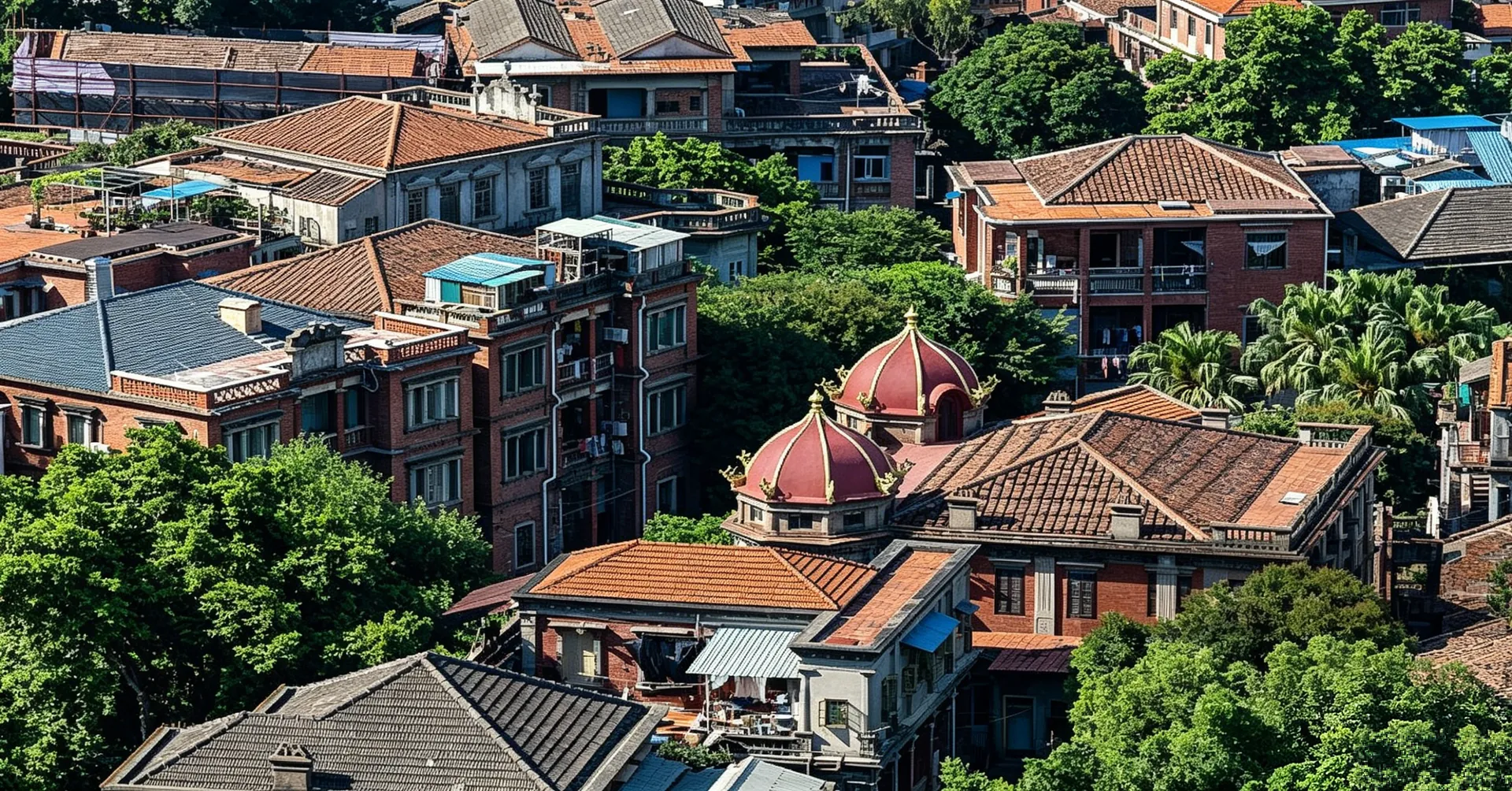
Xiamen doesn't have Beijing's monuments or Shanghai's skyline, and it doesn't want them. What it has is better: a car-free island where the only traffic is piano music drifting from colonial villas, a coastline strung with cycling paths and bougainvillea, a working fishing port where artists have co
Where is Xiamen?
Located in East China (Fujian) with a population of 5.3 million (island proper).
When to Visit - Month by Month
| Month | Temp | Rain | Crowd | Rating | Tips |
|---|---|---|---|---|---|
| Jan | 10~17°C | Low | Low | ★★ | Mild. Good |
| Feb | 11~18°C | Low | Medium | ★★★ | Comfortable |
| Mar | 13~21°C | Low | Medium | ★★★★ | Warming |
| Apr | 16~25°C | Medium | Medium | ★★★★ | Pleasant |
| May | 20~28°C | Medium | Medium | ★★★★ | Warm. May |
| Jun | 24~31°C | High | Medium | ★★★ | Hot. Typhoon risk |
| Jul | 26~34°C | High | Low | ★★ | Hottest |
| Aug | 26~33°C | High | Low | ★★ | Typhoon peak |
| Sep | 24~30°C | Medium | Medium | ★★★ | Still warm |
| Oct | 20~28°C | Low | High | ★★★★★ | Best. Cool dry |
| Nov | 16~24°C | Low | Medium | ★★★★ | Pleasant |
| Dec | 12~19°C | Low | Low | ★★ | Mild |
Compare climate with other cities
Attractions - Ranked
Must-See (Don,t Miss These)
Gulangyu Island (car-free, piano museum)
Car-free island 5 min by ferry from Xiamen. Known for 1920s colonial villas, piano museum, and the highest piano density in China.
| Detail | Info |
|---|---|
| Ferry | 35 yuan round trip |
| Open | 24/7 |
| Getting there | Ferry from Zhongshan Road dock |
| Time needed | Full day |
Tip: Book ferry tickets online in advance (WeChat mini-program). Walk up Sunlight Rock for the panoramic Xiamen view.
Nanputuo Temple
Major Buddhist temple dating to the Tang Dynasty. Nestled at the foot of Wulao Mountain with five halls. Free admission and free incense.
| Detail | Info |
|---|---|
| Open | 7 AM - 5:30 PM |
| Admission | Free |
| Getting there | Walk from Xiamen University |
| Time needed | 1.5-2 hours |
Tip: The vegetarian restaurant serves excellent Nanputuo Fried Rice. Climb behind the temple for a stunning coastal view.
Xiamen University campus
Widely considered China''s most beautiful campus. Chinese architecture with Western elements, set against green hills facing the sea. Designed by Tan Kah Kee.
| Detail | Info |
|---|---|
| Open | Weekdays 12-2 PM, weekends 8-5 |
| Admission | Free (bring passport) |
| Time needed | 1-2 hours |
Tip: Enter from the south gate (next to Nanputuo). Spots: Furong Lake, Upper Crescent Field, and the small beach at the eastern edge.
Worth a Visit (If You Have Time)
Island Ring Road cycling
43km coastal road wrapping around Xiamen Island with dedicated bike lanes. Continuous sea views, beaches, and parks.
| Detail | Info |
|---|---|
| Best section | Xiamen University to Huandao Road (10km) |
| Bike rental | 10-20 yuan/hour |
| Best time | Late afternoon |
Tip: Ride east toward Music Plaza. The road is flat and easy. Stop at the beach parks along the way.
Shapowei art district
Xiamen''s coolest quarter - a former fishing village turned hip enclave of art galleries, craft breweries, and cafes. Gritty-industrial aesthetic meets ocean views.
| Detail | Info |
|---|---|
| Open | Most shops 10 AM - 10 PM |
| Admission | Free |
| Getting there | Walk from Xiamen University (15 min) |
| Time needed | 2-3 hours |
Tip: The Sand Invites cafe has the best harbor view. Go late afternoon when galleries are open.
Zhongshan Road night walk
Xiamen''s main pedestrian street with 1920s Art Deco buildings. By night it transforms into a vibrant market with food stalls and street performers.
| Detail | Info |
|---|---|
| Open | 24/7 (shops 10 AM - 10 PM) |
| Getting there | Walk from ferry terminal |
| Best time | 6-10 PM |
Tip: Side alley food stalls are better than main street restaurants. Try oyster omelet at Huang Zehe - a Xiamen institution since 1945.
Suggested Itineraries
1 Day in Xiamen
| Time | Activity |
|---|---|
| 8:00 AM | Ferry to Gulangyu Island |
| 8:30-11:30 | Explore Gulangyu - Piano Museum, Sunlight Rock |
| 12:00-1:00 | Lunch on Gulangyu |
| 1:30-3:00 | Return to Xiamen - Nanputuo Temple |
| 3:30-5:00 | Xiamen University campus walk |
| 5:30-7:00 | Island Ring Road cycling |
| 7:30-9:00 | Zhongshan Road night market dinner |
2 Days in Xiamen
| Time | Activity |
|---|---|
| 9:00-12:00 | Shapowei art district |
| 12:30-1:30 | Lunch: sha cha mian |
| 2:00-5:00 | Jimei School Village + Dragon舟 Pond |
Day Trips
| Destination | Transport | Time | Why Go |
|---|---|---|---|
| Gulangyu Island | Ferry 5 min | Full day | Car-free island, pianos |
| Tulou | Bus 3h | Full day | UNESCO round fortresses |
Food Guide
Xiamen's cuisine is Minnan (southern Fujian) — lighter and more seafood-driven than Cantonese food, with a distinctive use of satay (沙茶 / shāchá), a peanut-and-seafood-based sauce brought back by overseas Chinese merchants from Southeast Asia.
The defining dish of Xiamen. Chewy wheat noodles in a rich orange-brown broth made from ground peanuts, dried shrimp, coconut, and spices, topped with your choice of additions: fresh shrimp, squid, pork liver, bean curd puffs, and oysters. The broth is savory, nutty, faintly spicy, and completely different from any noodle soup you've had elsewhere in China.
| Restaurant | Area | Notes |
|---|---|---|
| Wutang Satay Noodles (乌糖沙茶面) | Near XMU | The legendary spot; go before 1 PM — they sell out daily. Choose your toppings from the glass case and point |
A street-food staple of Fujian and Taiwan. Fresh local oysters — smaller and sweeter than Atlantic oysters — are mixed into a batter of sweet potato starch and eggs, fried on a hot iron griddle until crispy-edged and molten-centered, and served with a tangy-sweet chili sauce. The Xiamen version is crispier than the Taiwanese variant. Eat it from a street stall while standing.
A clay-pot dish of duck braised with mountains of sliced ginger and sesame oil. The duck is cooked slowly until the meat falls from the bone, the ginger softens and caramelizes, and the sesame oil infuses everything with a nutty, warming richness. It's a winter dish but eaten year-round in Xiamen. The ginger isn't just seasoning — it's the co-star.
The dish that intimidates foreigners — and rewards the brave. A local seaworm (actually a sipunculid, related to sea cucumbers) is boiled to release its natural gelatin, then chilled into a translucent, savory jelly studded with the worms. It's served cold with soy sauce, vinegar, garlic, and a dab of mustard. The texture is like a firm aspic; the flavor is clean and oceanic. Locals swear by it. You should try it once. You might try it twice.
A deceptively simple dessert — peanuts boiled for hours until they reach a state of suspension, barely solid, dissolving on your tongue. The soup is sweet, warm, and faintly floral, often served with a fried dough stick (youtiao) for dipping. A bowl costs ¥5–8.
| Restaurant | Area | Notes |
|---|---|---|
| Huang Zehe (黄则和) | Zhongshan Road | Since 1945; the peanut soup institution. Pay by topping up a card, then refund the balance — cashless system |
Where to Stay
| Area | Vibe | Price Range | Best For |
|---|---|---|---|
| Gulangyu Island (鼓浪屿) | Colonial villa guesthouses, piano in the lobby, no cars, island mist at dawn | ¥400–1,800/night | Romance, honeymoons, photography, slow travel |
| Zhongshan Road & Ferry Area (中山路/轮渡) | Central, walk to the ferry, colonial arcades, shopping streets | ¥300–1,000/night | First-time visitors, convenience |
| Zengcuoan (曾厝垵) | Bohemian guesthouses, narrow lanes, near the beach and cycling path | ¥200–600/night | Backpackers, couples, beach lovers |
| Island Ring Road (环岛路) | Sea-view hotels, floor-to-ceiling windows, sunrise over the Taiwan Strait | ¥500–1,800/night | Sea views, luxury, morning cyclists |
Getting Around
| Method | Route / App | Notes |
|---|---|---|
| From Gaoqi Airport (XMN) | BRT (Bus Rapid Transit) | 20–30 min to city center, ¥2–5; the airport BRT station is at Terminal 4; free shuttle connects Terminals 3 & 4 |
| From Gaoqi Airport (XMN) | Taxi / DiDi | 20–30 min, ¥40–60 |
| Bus & BRT | Alipay Transport or Xiamen transit card | BRT is elevated and traffic-free — fast and scenic |
| Metro | Line 1 (cross-sea section elevated — sea views!) | ¥2–7 per ride |
| Gulangyu Ferry | Book via "厦门轮渡" WeChat mini-program | ¥35 round trip; book 3 days ahead |
Unique Experiences
| Experience | Why It's Worth It |
|---|---|
| Gulangyu at 7 AM | The lanes are empty, the piano practice is real, and the island belongs to its 16,000 residents. Stay overnight to experience this |
| Cycle the Island Ring Road | 8 km of coastal cycling with the sea on your left and palm trees on your right — stop wherever the view warrants |
| Eighth Market (八市) seafood crawl | The city's oldest wet market — buy live seafood from a stall, take it to a nearby restaurant that will cook it to order for ¥15–25 per dish |
| Minnan Gongfu Tea ceremony (功夫茶) | Fujian's tea tradition uses tiny clay pots and even tinier cups — a single pot is refilled 8–10 times, each infusion subtly different. Tea shops around Nanputuo Temple offer tastings |
| Shapowei sunset + weekend market | The Art West Zone's weekend creative market (boutique crafts, live music, food trucks) combined with sunset over the fishing harbor |

Souvenirs
| Souvenir | What It Is | Where to Buy |
|---|---|---|
| Gulangyu Pastry (鼓浪屿馅饼) | Flaky coconut or mung-bean-filled shortbread — the island's classic souvenir | Gulangyu bakeries, Zhongshan Road |
| Su Xiaotang Nougat (苏小糖牛轧糖) | Instagram-famous nougat in mango, matcha, rose, and classic almond flavors | Shops on Gulangyu, Zengcuoan |
| Dried Seafood (海产干货) | Dried shrimp, scallops, anchovies — concentrated Fujian umami | Eighth Market (八市) |
| Lacquer Thread Sculpture (漆线雕) | Xiamen's unique craft — intricate gold-thread relief on lacquered surfaces | Zhongshan Road craft shops |
Before You Go - Checklist
Travel Styles
¥40 dorm beds, ¥15 shacha noodles, free Gulangyu Island wandering (ferry ¥35). Xiamen is a compact, affordable coastal escape. Full budget guide →
Car-free Gulangyu Island is a child's paradise. The Island Ring Road cycling path is flat and scenic. Xiamen University's campus has black swans on a lake. Full family guide →
Coastal trade and tech hub. Gaoqi Airport (XMN) connects to Southeast Asia. Gulangyu is a unique venue for informal business conversations — car-free, café-filled, memorable. Full business guide →
Gulangyu's electric carts (no cars), flat Island Ring Road, and Shapowei sunset harbor make Xiamen China's most gently paced coastal city. Full seniors guide →
Related
Routes: Golden Route | Themed routes Info: Visa | Payment | Internet
Have you been to Xiamen?
What experience would you tell every traveler not to miss?
More Cities to Explore
Qingdao Travel Guide: Beer, Beaches & German Heritage
The ultimate Qingdao travel guide — Tsingtao Beer Museum, fresh draft beer, Badaguan's European villas, Laoshan Mountain, and golden beaches. China's sailing city.
Zhuhai Travel Guide: Islands, Chimelong Ocean Kingdom & Coastal Charm
The ultimate Zhuhai travel guide — explore the world's largest ocean theme park, island-hop in the South China Sea, cycle the longest coastal road, and see the Hong Kong-Zhuhai-Macao Bridge.
Shenzhen Travel Guide: Tech Hub, Theme Parks & Coastal Escapes
The ultimate Shenzhen travel guide — OCT-LOFT creative district, Window of the World, Dapeng ancient fortress, coastal hiking, and the world's largest electronics market.
Get Weekly China Travel Tips
Join our newsletter for destination guides, travel hacks, visa updates, and insider recommendations delivered to your inbox.
No spam. Unsubscribe anytime.